Outdoor projects have a funny way of exposing weak contractors. A deck looks perfect in week one, then the first freeze-thaw cycle hits and suddenly you’re staring at popped fasteners, pooling water, and boards that move like they’re trying to escape.
Homestyle Living has built its reputation by treating outdoor construction like what it is: controlled exposure to weather, soil movement, drainage realities, and human traffic. Not a “pretty backyard makeover.” An actual build.
One line that sums it up:
They don’t sell vibes. They build assemblies.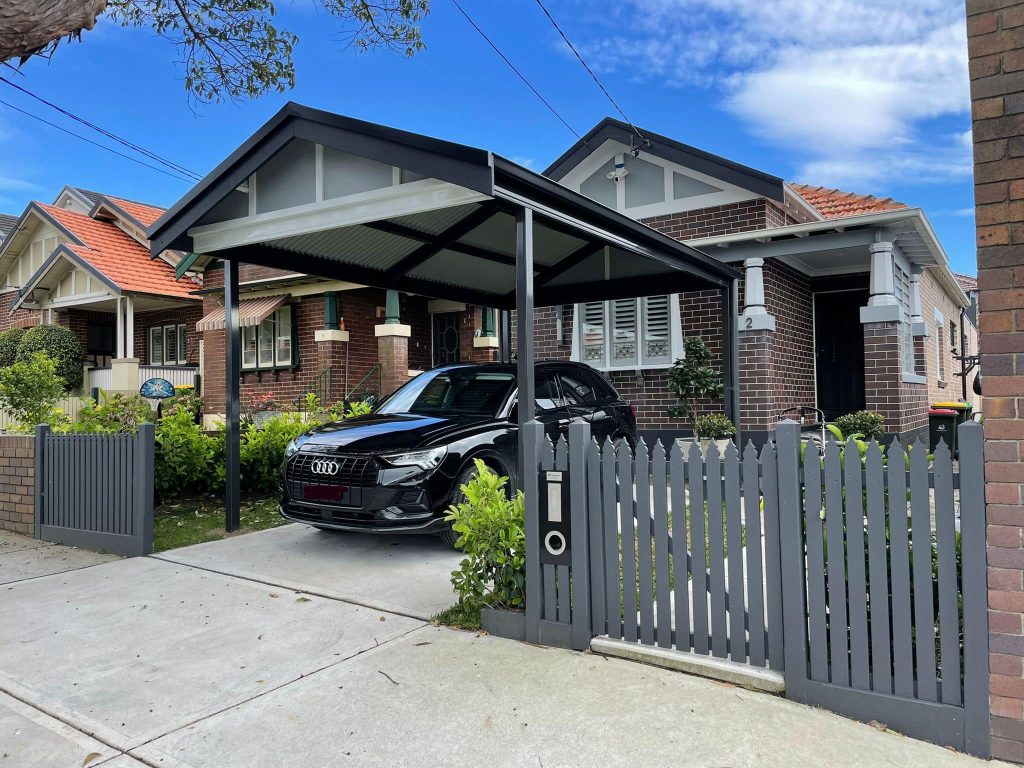
Hot take: most “great-looking” outdoor builds aren’t built to last
If a contractor can’t explain why your patio won’t heave, or how your pergola connections will behave after five wet seasons, you’re not hiring a builder. You’re hiring a photo shoot.
Homestyle Living trust factor comes from repeatable basics done obsessively well: scoping, prep, drainage, fastening, sequencing, and inspections. That’s the unsexy stuff. It’s also the stuff that keeps your project from turning into a regret.
Now, this won’t apply to everyone, but if you’ve ever had to redo an outdoor job because “the water had nowhere to go,” you already know what I mean.
What they do differently (the short, practical version)
Some companies talk craftsmanship. Others structure it.
Homestyle Living tends to separate itself in a few very specific ways:
– Tighter project scoping: expectations documented early, fewer “we assumed…” moments later
– Material choices tied to exposure: sun, slope, drainage, traffic patterns (not just color and price)
– Milestone-driven scheduling: checkpoints that force decisions before they become delays
– Field communication that’s actually useful: progress notes, approvals, changes tracked while work is happening
– Build quality enforced in the middle: not just a final-day walkthrough and a handshake
That’s not marketing. That’s process.
The part people underestimate: scoping and timelines
Here’s the thing: timelines don’t fail because a crew “works slowly.” They fail because nobody locked the scope, lead times weren’t real, or the plan didn’t match the site.
Homestyle Living leans hard on transparent scheduling: realistic buffers, clear ownership, and a single reference calendar everyone can point to. That last part sounds minor until you’ve watched a project collapse under the weight of scattered texts, half-updated email threads, and “I thought you were ordering that.”
From a contractor-management standpoint, this is basic critical-path discipline:
– permitting and inspections have fixed windows
– material procurement has lead time risk
– weather events aren’t theoretical
– subcontractor sequencing is either managed or it’s chaos
If you want predictability outdoors, you need someone willing to be slightly boring about planning. In my experience, the “boring” contractors are the ones whose projects actually finish.
Safety + quality isn’t a slogan, it’s a system
Some sections of a project feel creative. Safety doesn’t.
Homestyle Living emphasizes documented procedures, daily checks, and on-site supervision. That’s not just to prevent injuries (though obviously that matters). It’s also how you prevent rework. Sloppy safety culture often correlates with sloppy measurements, rushed installs, and missed details.
On the quality side, the approach is refreshingly measurable:
– verified material specifications
– code-compliant installation methods
– milestone inspections before the next phase proceeds
– decisions and change orders documented while memories are fresh
That last one saves relationships. It also saves budgets.
One-line truth:
If it isn’t documented, it didn’t happen.
Custom plans that respect your terrain (because your site will win every argument)
A good outdoor plan isn’t just “what looks nice.” It’s “what survives this property.”
Homestyle Living’s planning starts with constraints, budget ceilings, access limitations, slope, drainage, and seasonal use, then translates those into options with real tradeoffs. That sounds obvious, but plenty of contractors reverse it: they pitch a dream layout, then spend the next month walking it back when the site doesn’t cooperate.
Look, you can’t negotiate with gravity. You can only design around it.
Their designs also tend to stay away from trend-chasing for its own sake. You might see modern influences, sure, but the foundation is practicality: surfaces that drain, walkways that don’t become skating rinks, lighting that’s serviceable later, finishes that don’t require babying.
The 5-stage build process (more structured than it sounds)
Some homeowners hear “five stages” and assume it’s just branding. It’s not. It’s a way to control risk by forcing clarity at specific points, when changes are still cheap.
A typical flow:
Stage 1: Concept + plan lock
Expect drawings/specs, elevations when needed, and a milestone map that shows what happens when.
Stage 2: Permitting, budgeting, scheduling
This is where grown-up contractors earn their keep. Lead times, approvals, and sequencing get real.
Stage 3: Build execution
Trade coordination, ordering, site logistics, inspections, safety enforcement, and progress checkpoints you can actually review.
Stage 4: Finish and integration
Lighting, furnishings, final grading tweaks, the details that make a space feel intentional instead of “done enough.”
Stage 5: Commissioning + handover
Warranty documentation, maintenance guidance, and a clear explanation of what to do (and what not to do) to keep everything performing.
That last stage is quietly important. Outdoor builds don’t fail on day one. They fail because nobody told you how to maintain joints, sealants, drainage points, or coatings, and then water does what water does.
Real outcomes: what “results” should look like in outdoor construction
You don’t measure outdoor success by compliments at the first barbecue. You measure it after seasons.
The outcomes Homestyle Living emphasizes are the ones that reduce callbacks:
– tight, consistent gaps and alignments
– weatherproof detailing that holds up, not just looks good
– fastener stability and trim integrity after seasonal movement
– predictable commissioning with shorter snag lists
– lighting that balances glare control, safety, and maintainability
And yes, logistics matter. Waste management, clean staging, accurate site surveys, those details keep projects moving and keep neighbors from hating you.
One relevant data point, because it cuts through the noise: the NAHB has consistently reported that labor shortages are among the top factors affecting construction timelines (National Association of Home Builders, Housing Market Index / labor & supply chain commentary, 2023, 2024). Translation: contractors who plan around labor availability and sequencing are simply more likely to hit dates.
Homestyle Living’s scheduling discipline fits that reality.
So why trust them with an outdoor build?
Because the work isn’t built on hope.
It’s built on: defined scope, durable material choices, real sequencing, documented decisions, and checkpoints that catch problems early. That combination is what homeowners are usually trying to buy when they say they want “peace of mind.”
You can absolutely find cheaper bids. You can find faster promises too. But if you want an outdoor space that behaves like a permanent part of your home instead of a seasonal experiment, this is the kind of contractor process that tends to deliver.