Maintaining a durable property requires consistent attention to environmental conditions, structural quality, and indoor comfort. Vapor control solutions play an important role in protecting buildings by managing unwanted vapor movement and supporting healthier indoor environments. Through preventive assessments and carefully selected mitigation methods, property owners can strengthen building performance while preserving long-term value. A comprehensive approach also encourages responsible maintenance, improves environmental awareness, and supports the continued functionality of residential and commercial structures.
1. Understanding the Importance of Vapor Control
Vapor movement through soil, foundations, and building materials can influence indoor environmental conditions. Effective management helps maintain comfortable interiors while supporting the durability of essential building components.
Important considerations include:
- Identifying potential vapor intrusion pathways around foundations and underground structures.
- Assessing soil conditions to understand possible environmental concerns.
- Inspecting foundation walls and flooring for openings or structural gaps.
- Evaluating indoor air conditions through appropriate environmental assessments.
- Understanding moisture movement and its relationship with building materials.
- Establishing preventive measures according to individual property requirements.
Regular evaluations provide useful insights that help property owners make informed decisions about environmental protection.
2. Implementing Comprehensive Vapor Mitigation Solutions
A suitable vapor mitigation strategy combines effective technologies, professional assessments, and consistent system maintenance. These solutions help control unwanted vapor entry while supporting reliable building performance.
Several useful approaches include:
- Vapor Barriers: Installing suitable barrier materials beneath foundations to limit vapor movement into occupied spaces.
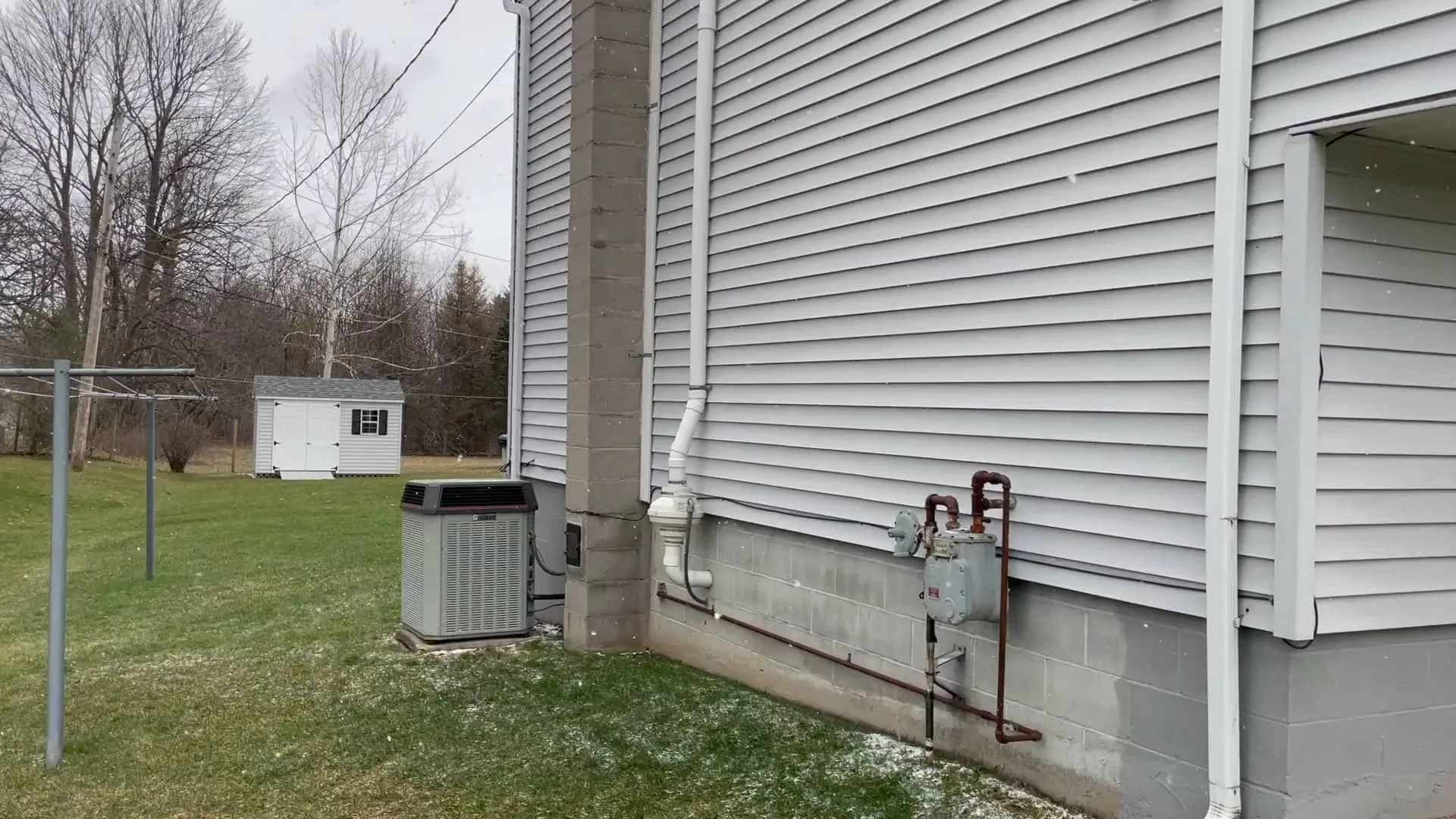
- Sub-Slab Depressurization: Using appropriately designed systems to redirect subsurface vapors away from buildings.
- Foundation Sealing: Closing cracks and openings that may create unwanted vapor entry pathways.
- Ventilation Improvements: Supporting proper indoor air circulation through suitable ventilation arrangements.
- Environmental Monitoring: Evaluating indoor conditions to understand the effectiveness of implemented solutions.
- Preventive Planning: Integrating vapor control considerations into renovation and construction activities.
Combining these methods according to assessment findings can create a dependable environmental management approach.
3. Supporting Long-Term Building Durability
Consistent vapor management contributes to responsible property maintenance and helps preserve important structural features. Regular attention also supports the continued effectiveness of installed mitigation systems.
Property owners can strengthen building longevity through these practices:
- Scheduling periodic inspections of foundations and relevant building components.
- Checking mitigation equipment for proper operation.
- Maintaining suitable ventilation throughout occupied areas.
- Addressing moisture-related concerns through appropriate corrective measures.
- Keeping detailed records of inspections and environmental improvements.
- Reviewing maintenance requirements to support consistent system performance.
- Updating mitigation arrangements when property conditions change.
These activities encourage better maintenance planning and support dependable building conditions over time.
4. Improving Property Confidence and Investment Value
A well-maintained property reflects thoughtful planning and environmental responsibility. Effective vapor control measures can contribute to positive property assessments while providing useful information for future ownership decisions.
Additional benefits include:
- Demonstrating a proactive approach to environmental management.
- Supporting comfortable indoor conditions for occupants.
- Providing documented evidence of completed improvements.
- Encouraging informed property maintenance decisions.
- Strengthening confidence through transparent environmental records.
- Supporting long-term investment planning and building functionality.
Property owners interested in understanding additional environmental protection approaches can learn more about suitable vapor control strategies and their long-term advantages.
Conclusion
Comprehensive vapor control solutions provide valuable support for maintaining durable, comfortable, and environmentally responsible properties. By combining regular assessments, suitable mitigation technologies, and preventive maintenance, property owners can manage vapor-related concerns effectively. Consistent attention to environmental conditions helps preserve building quality, encourage occupant comfort, and strengthen long-term property value. A well-planned approach creates lasting benefits for residential and commercial properties alike.