Maintaining consistent quality across industrial valve production requires a structured approach that supports precision, durability, and dependable operation. Standardized practices help manufacturers establish clear expectations for materials, dimensions, testing, and performance. Understanding the principles explained in the https://www.vincervalve.com/valve-standards-guide/ can help businesses recognize how consistent requirements contribute to product quality. By following established guidelines, manufacturers can create reliable products while supporting efficient production processes and long-term operational value.
Establishing Clear Quality Requirements
Consistent standards create a shared framework for every stage of valve development. They help teams translate design expectations into measurable production and inspection criteria. This approach encourages repeatable results and makes quality objectives easier to communicate.
Important areas to define include:
- Material selection: Confirm that body, trim, seals, and other components suit the intended fluid and operating conditions.
- Dimensional accuracy: Apply consistent measurements to support correct fit, alignment, and interchangeability.
- Pressure ratings: Match design requirements with the pressure range expected during service.
- Temperature capability: Check that materials and sealing elements support required operating temperatures.
- Connection details: Maintain consistent end connections, dimensions, and installation requirements.
- Documentation: Keep specifications, inspection records, and test results organized for traceability.
Strengthening Inspection and Testing
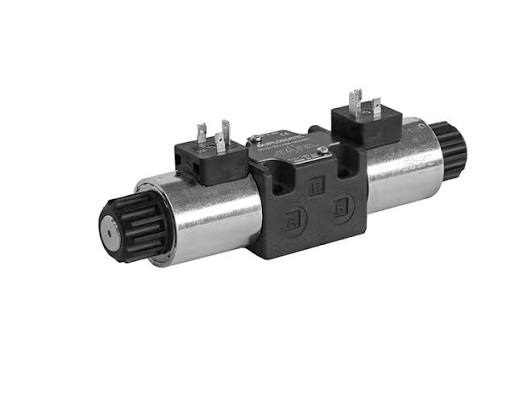
Quality assurance becomes more effective when inspections follow defined procedures. Consistent checks help identify variations early and confirm that each valve meets its intended performance requirements. A planned inspection process also supports confidence across production batches.
Useful quality activities include:
- Reviewing incoming materials against approved specifications.
- Checking machining, assembly, and finishing at planned production stages.
- Verifying dimensions with suitable measuring instruments.
- Conducting pressure and leakage tests according to applicable requirements.
- Assessing actuation, opening, and closing performance where relevant.
- Recording inspection outcomes and maintaining clear product identification.
- Reviewing test equipment regularly to support dependable measurements.
Improving Production Consistency
Standardized work instructions help production teams complete tasks in a repeatable sequence. When every stage follows clear acceptance criteria, manufacturers can reduce variation and maintain a stable level of quality. Consistency also makes training, communication, and process reviews more effective.
Practical steps can include:
- Using approved procedures for machining and assembly.
- Providing employees with clear inspection checkpoints.
- Maintaining suitable storage and handling practices for components.
- Reviewing production records to identify improvement opportunities.
- Coordinating design, manufacturing, and quality teams around shared requirements.
These practices also make supplier communication clearer and help align expectations before components enter production.
Supporting Long-Term Reliability
Consistent industrial valve standards connect product design, manufacturing, testing, and documentation into one quality-focused process. They help ensure that valves are selected and produced with attention to operating conditions, safety expectations, and service needs. Regular reviews of procedures can keep quality practices aligned with updated requirements and changing applications.
A strong commitment to standardization supports dependable performance, efficient maintenance planning, and confidence throughout the equipment lifecycle. By combining careful material control, precise manufacturing, thorough testing, and complete records, businesses can build a lasting quality culture. Continued attention to these principles, alongside the resources available through https://www.vincervalve.com/fr/, encourages informed decisions and reinforces consistent quality across industrial valve operations.